The term “smoking wet” refers to a dangerous and often misunderstood practice involving the use of cigarettes or marijuana joints dipped in substances like phencyclidine (PCP) or embalming fluid. This practice is known to produce a high that is both intense and hazardous, leading to a range of severe short-term and long-term effects.
As the popularity of this form of drug use has grown, it has become a significant concern in the United States.
When you hear “smoking wet,” it often refers to marijuana or tobacco cigarettes dipped in PCP (phencyclidine) or embalming fluid. You may also hear street names like sherm, fry, or dip. Because the chemical composition can vary between batches, the effects can be severe and unpredictable, increasing the risk of overdose and dangerous reactions.
What Is the Wet Drug?
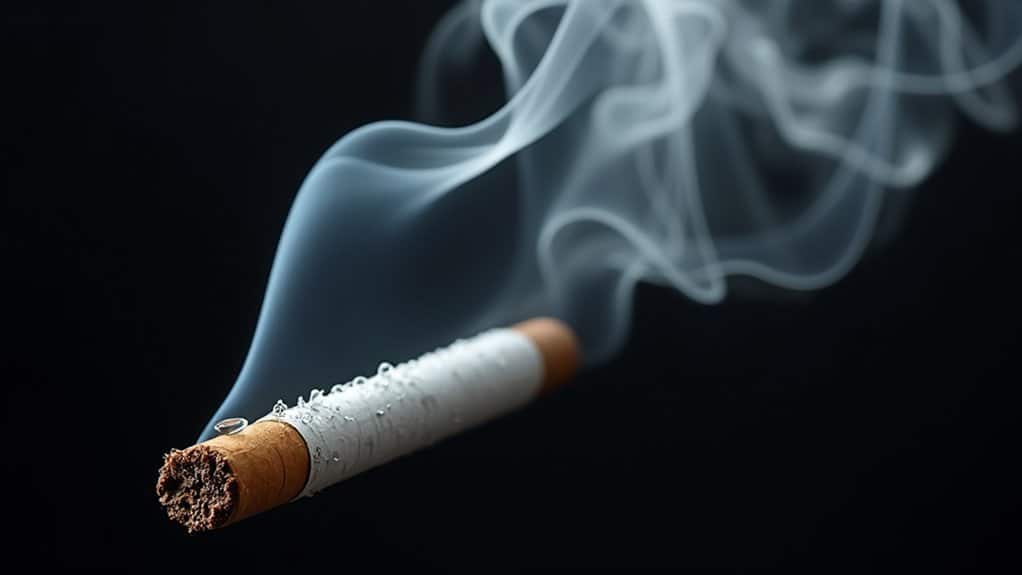
“Wet,” “Fry, and “Water” commonly refer to substances that have been treated with liquid chemicals such as PCP or formaldehyde methanol (embalming fluid). These substances are sometimes referred to by street names like “angel dust” when involving PCP or simply “wet” when referring to dipped cigarettes or joints.
Wet drugs include a variety of mind-altering substances that can have severe impacts on the central nervous system. The manufacturing process for these drugs can vary, but they typically involve soaking or spraying the chemical onto tobacco, marijuana, or other smoking materials.
Important safety note: Because this topic involves illegal and highly dangerous substances, it is safest to focus on risks, warning signs, and getting help rather than describing preparation methods.
PCP is a powerful hallucinogenic drug that was initially developed as an anesthetic for medical use. However, it was discontinued for human use because of its severe side effects, including unpredictable and sometimes violent behavior.
PCP users often experience a profound detachment from reality, leading to a state where they may feel disconnected from their surroundings and themselves. This detachment can manifest as a complete loss of awareness, making it difficult for users to function normally or safely.
The use of embalming fluid in wet drugs is another dangerous aspect. Embalming fluid includes formaldehyde, methanol, and other toxic chemicals not intended for human consumption. These chemicals can cause severe irritation to the respiratory system, skin, and other organs. Additionally, the use of embalming fluid is sometimes mistaken for actual PCP, which can lead to users unknowingly consuming these harmful substances.
Smoking wet is a highly dangerous practice with severe short-term and long-term health implications. The use of PCP or embalming fluid in this manner can lead to severe physical and psychological side effects, including addiction, cognitive impairments, and respiratory failure.
Smoking Wet vs. Damp Weed: The Critical Difference
When you hear the term “wet” in cannabis contexts, it is essential to distinguish between two entirely different situations: chemically laced marijuana and moisture-damaged product.
Damp weed results from improper storage or humidity exposure. It may feel moist, compress easily, burn poorly, and carry a higher risk of mold exposure. While damp weed can still be unsafe to inhale due to fungal contamination and lung irritation, it is not the same as chemically laced cannabis.
Smoking wet, cannabis or cigarettes contaminated with PCP and/or embalming fluid, can cause severe central nervous system effects (hallucinations, confusion, agitation) and serious respiratory harm. Chemically laced cannabis cannot be remediated and should never be consumed.

What Does Smoking Wet Mean?
Smoking wet or fry, involves inhaling the fumes of substances like PCP or embalming fluid that has been applied to cigarettes or joints. Users feel the effects almost immediately, as the chemicals are rapidly absorbed through the lungs into the bloodstream. The practice is not limited to a particular group but has been observed across various demographics in the United States. People may be drawn to smoking wet for its potent effects or out of curiosity, but the risks far outweigh any perceived benefits.
The term “wet” can be misleading, as it might suggest the presence of water or harmless substances. However, the chemicals used in smoking wet are far from benign.
For example, embalming fluid includes a mix of formaldehyde, methanol, and other preservatives used in funeral homes for the embalming process. These substances are highly toxic and are not meant for ingestion or inhalation. The poisonous nature of these chemicals can lead to immediate health risks and long-term damage to the body.
Another aspect of smoking wet is the unpredictability of the experience. The concentration of chemicals can vary greatly, leading to different intensities of effects. Some users might experience mild effects, while others could have severe reactions, including hallucinations, extreme agitation, or even loss of consciousness. This unpredictability makes smoking wet particularly dangerous, as users cannot be sure of the dose they are consuming or the potential effects.
Is Your Weed Laced or Just Damp?
It can be difficult to know whether cannabis has been intentionally adulterated or simply exposed to excess moisture. Laced products may produce a strong chemical smell, burn unevenly, leave oily residue, or trigger effects that do not match typical THC intoxication. Water-damaged cannabis is more likely to feel spongy, burn poorly, and show signs of mold or musty odor.
Signs of Laced Cannabis
Laced cannabis can sometimes look normal, which is part of what makes it dangerous. Warning signs can include chemical-smelling fumes, oily residue after burning, an unusual taste, or effects that begin abruptly and feel far more intense or disorienting than expected. Rapid hallucinations, extreme confusion, severe agitation, or loss of coordination shortly after use can indicate dangerous contamination and should be treated as a medical emergency.
Identifying Water-Damaged Weed
Moisture creates ideal conditions for fungal growth. Musty odors, visible white/gray fuzzy patches, or buds that remain unusually damp despite airflow can signal mold. If cannabis became wet and did not dry properly, it is safest not to consume it, especially for immunocompromised individuals or anyone with asthma or other lung conditions.
Health Risks of Smoking Wet: What Happens to Your Body
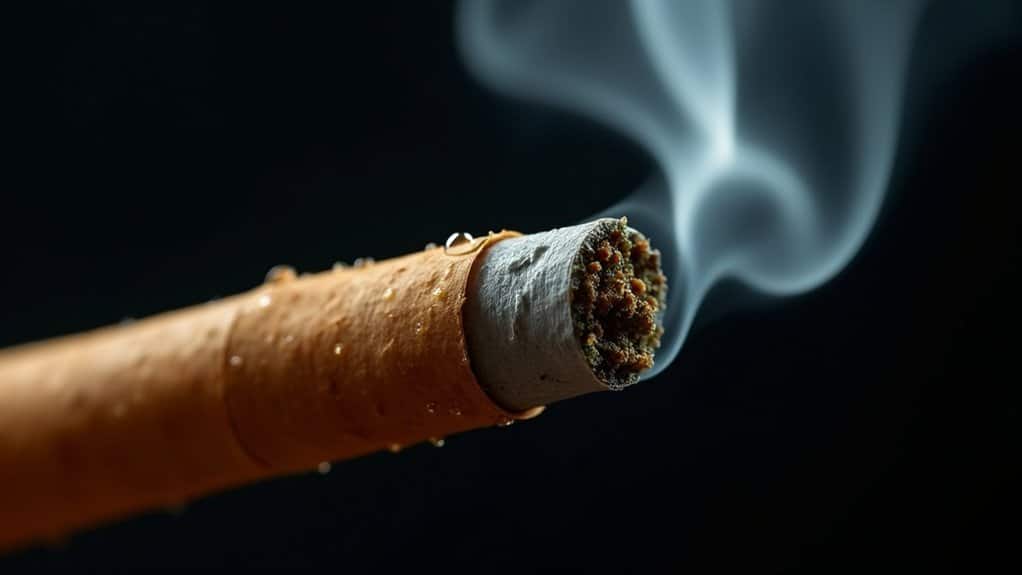
Smoking wet can cause effects and harms that go far beyond typical cannabis intoxication. In addition to severe psychological effects (hallucinations, paranoia, agitation, dissociation), inhaling toxic chemicals can inflame and injure the lungs and airways. People may experience burning throat and chest irritation, intense coughing, wheezing, and difficulty breathing. Severe cases can involve dangerously low oxygen levels and life-threatening respiratory complications that require emergency treatment.
Signs You’ve Smoked Wet Weed
Potential warning signs include sudden intense hallucinations, extreme confusion, panic, unpredictable behavior changes, and unexpected dissociative effects that feel very different from typical cannabis intoxication. Severe respiratory symptoms, persistent coughing, chest pain, wheezing, or trouble breathing, can also be a sign of dangerous contamination.
If symptoms feel severe, escalate quickly, involve seizures, or include difficulty breathing, call emergency services immediately.
Short-Term Effects of Smoking Wet
The short-term effects of smoking wet are varied and can be severe. The primary effects are hallucinogenic, causing users to experience altered perceptions of reality.
In addition to the hallucinogenic effects, smoking wet can cause short-term effects, including:
- A sense of detachment from the surrounding area
- Time distortion
- Confusion
- Impaired motor skills
- Lack of coordination
These impairments can make everyday activities difficult and dangerous. For example, users might have trouble walking, driving, or even standing up without assistance. The impaired coordination can also result in accidents or injuries, as users may not be fully aware of their surroundings or physical limitations.
Long-Term Side Effects of Smoking Wet
Long-term side effects of smoking wet are equally concerning and can include significant cognitive impairments. Memory loss is a common issue among long-term users, as the chemicals in wet drugs can cause lasting damage to brain cells. Over time, this can lead to difficulties with concentration, problem-solving, and other cognitive functions. The damage to the brain can also affect emotional regulation, leading to mood swings, depression, and anxiety.
Respiratory failure is another severe risk associated with smoking wet. The chemicals inhaled can cause immediate damage to the lungs and airways, leading to difficulty breathing, chest pain, and, in severe cases, respiratory arrest.
This risk is heightened if the user has pre-existing respiratory conditions, such as asthma or chronic obstructive pulmonary disease (COPD). Other short-term side effects may include nausea, vomiting, and a feeling of extreme confusion or panic. These effects can be distressing and may lead to dangerous situations, such as unintentional harm to oneself or others.
Another long-term risk is the potential for addiction. While PCP itself can be addictive, the combination of drugs in wet substances can also lead to a dependency that is challenging to break. The addictive nature of these substances can lead users to prioritize drug use over other aspects of their lives, resulting in neglect of personal responsibilities, relationships, and health. Withdrawal symptoms can be severe and may include cravings, anxiety, depression, and physical discomfort.
Still, regular use of wet drugs can lead to severe health problems, including chronic respiratory issues and damage to internal organs. The chemicals in embalming fluid, for instance, are known carcinogens and can increase the risk of developing cancers. Users may also suffer from long-term psychological issues, such as persistent paranoia or depression. These mental health challenges can persist even after ceasing use of the drug, requiring long-term treatment and support.
Why Licensed Dispensaries Are Your Safest Option
If cannabis is being used, purchasing only from licensed, regulated retailers can reduce the risk of contaminated or laced products. Licensed dispensaries are typically required to follow testing and labeling rules that unregulated sources do not, which helps lower exposure to adulterants that may be present in illicit-market products.
Smoking Wet and PCP Addiction Treatment at NATC
Addiction treatment for wet drug abuse, particularly involving PCP, requires a comprehensive treatment approach. Because of the complex nature of addiction and the severe side effects associated with wet drugs, medical supervision is often necessary.
Dealing with severe substance use disorders like sherm abuse and PCP addiction can be challenging, and it’s normal to feel alone. It’s easy to feel this way, but compassionate addiction care is available.
At Northridge Addiction Treatment Center (NATC), we understand how difficult it can be to make a change in your life when you’re struggling with addiction. Our caring team of dedicated experts will help you throughout your recovery process to empower you and provide a nurturing environment.
Our private and serene residential treatment facility offers a safe haven where you can focus on your recovery. With evidence-based treatments and therapies, we tackle the root causes of addiction and help you develop healthy coping mechanisms and communication skills to thrive.
Contact NATC today. Our treatment specialists are eager to help you find the best care for your needs.
Frequently Asked Questions
Can Smoking Wet Weed Cause Permanent Brain Damage or Long-Term Cognitive Issues?
Yes, smoking wet can cause permanent brain damage and long-term cognitive issues. When you inhale PCP and formaldehyde-laced cannabis, you’re exposing your brain to neurotoxic chemicals that damage neural tissue. You may experience lasting memory impairment, difficulty concentrating, and persistent cognitive deficits even after stopping use. Chronic exposure increases your risk of irreversible harm to your central nervous system. If you’ve used wet drugs, you should seek professional evaluation and treatment immediately.
How Long Does PCP Stay in Your System After Smoking Wet?
After smoking wet, PCP typically remains detectable in your system for varying periods depending on the test type. You’ll test positive in urine for 7-14 days (up to 30 days with chronic use), in blood for 24-48 hours, and in hair for up to 90 days. PCP’s half-life averages 21 hours, but it’s stored in body fat, meaning it can release back into your bloodstream days or months later.
Is Smoking Wet More Addictive Than Regular Marijuana or PCP Alone?
Yes, smoking wet carries higher addiction potential than regular marijuana or PCP alone. You’re exposing yourself to a combination where embalming fluid chemicals amplify dissociation and psychosis, fostering stronger psychological dependence. The unpredictable highs drive compulsive redosing, while PCP’s dissociative effects build tolerance faster than marijuana. Long-term use causes cognitive impairments and memory loss that complicate quitting. The synergistic effects mimic severe mental health disorders, increasing your relapse risk considerably.
What Should You Do if Someone Overdoses From Smoking Wet?
Call emergency services immediately and tell dispatchers about the wet drug use, including PCP or embalming fluid involvement. While waiting, remove nearby hazards since the person may experience violent behavior or delusions. Don’t physically restrain them. If they’re unconscious but breathing, place them in the recovery position. Monitor their breathing and pulse without direct contact if they’re combative. Note when symptoms started and describe any seizures or respiratory distress to paramedics.
Can Drug Tests Detect if You’ve Smoked Wet Marijuana?
Standard cannabis drug tests can detect THC if you’ve smoked wet marijuana, but they won’t identify PCP or embalming fluid contaminants unless specifically tested. You’d need separate toxicology panels to detect these substances. If you’re facing testing after smoking wet, be honest with healthcare providers, they can order appropriate screens. Detection windows vary: urine tests catch THC for 1-30 days depending on your usage frequency, while PCP typically remains detectable for 1-7 days.