Methylenedioxy-methamphetamine (MDMA) was first developed for medical use in 1912 but was never marketed. Its first use was in the 1970s to aid in psychotherapy due to its effects on promoting a patient’s empathy and communication. However, it had no supporting clinical research or FDA approval.
Today, it is considered a “party drug” and continues to be used by millions. Besides being made an illegal drug in 1985, classified as Schedule I because of its high potential for abuse and harmful health effects, it is made in illegitimate laboratories that mix in harmful, unknown additives.
What Is MDMA?
Popularly known as ecstasy or molly, MDMA is a psychoactive drug that acts as a psychedelic and stimulant. MDMA is entirely synthetic, made illegally in labs from its parent drug compound, amphetamine. However, its chemical structure causes stimulating and hallucinogenic properties making it like combining amphetamine and mescaline.
MDMA vs. Ecstasy vs. Molly: What’s the Difference?
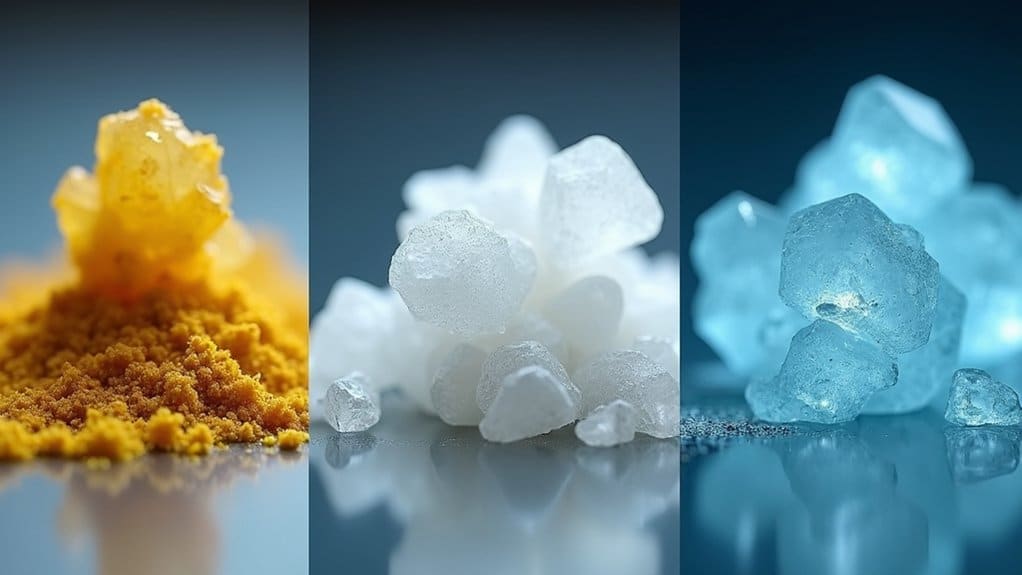
MDMA, ecstasy, and molly all refer to the same psychoactive compound: 3,4-methylenedioxymethamphetamine. You’ll find ecstasy sold as pressed tablets featuring logos and colors, while molly appears as powder or crystals marketed as “pure” MDMA. Don’t let this distinction fool you, when both contain genuine MDMA, they’re pharmacologically identical.
The purity myth surrounding molly is dangerous. European data shows tablets averaging 138, 158 mg MDMA, while powders range from 24% to 100% purity. Both forms frequently contain adulterants including methamphetamine, synthetic cathinones, and fentanyl. These contaminants alter receptor binding profiles and toxicity risks.
You’re facing identical substance use disorder potential regardless of form. Dosing errors occur more frequently with powders due to purity swings, making harm reduction challenging without proper testing. MDMA functions as both a stimulant and a hallucinogen, producing its characteristic effects of boosted energy, enhanced sensory perception, and emotional euphoria.
How Is MDMA Used?
People usually take MDMA orally, swallowing it in a capsule or tablet. Sometimes, the tablet is crushed and snorted in powder form and occasionally smoked or ingested in liquid form.
Molly, slang for molecular referring to the pure MDMA powder found inside, is mainly sold in capsules. Ecstasy is generally distributed in colorful tablets, often with recognizable logos.
The Immediate Effects of Taking MDMA
When you take MDMA, you’ll typically feel its effects within 30-60 minutes as the drug crosses your blood-brain barrier and triggers massive serotonin, dopamine, and norepinephrine release. Your body responds with a cascade of changes, elevated heart rate, increased blood pressure, and rising core temperature, while your subjective experience shifts toward intense euphoria and emotional openness. These neurochemical surges also heighten your sensory perception, making lights appear brighter, music more immersive, and physical touch more pleasurable.
Euphoria and Mood Enhancement
Euphoria represents the hallmark experience of MDMA, driven by a massive surge of serotonin flooding your brain’s synapses. This neurotransmitters release creates intense feelings of well-being, emotional closeness, and profound happiness within 20-60 minutes of ingestion.
MDMA simultaneously augments dopamine and norepinephrine, producing a combined neurochemical effect that includes:
- Enhanced reward sensations and sustained energy through dopamine receptor activation
- Increased confidence and stimulation via norepinephrine pathways
- Reduced anxiety and heightened empathy from serotonin saturation
- Amplified sociability and emotional openness lasting 3-6 hours
The drug blocks serotonin reuptake transporters, prolonging amplified synaptic concentrations. You’ll experience peak mood enhancement during this window, followed by an afterglow period extending up to 24 hours as neurotransmitter levels gradually normalize.
Physical Body Responses
MDMA’s stimulant properties trigger immediate physiological changes throughout your body as the drug reaches peak plasma concentrations. Your cardiovascular system responds with heightened heart rate and blood pressure as the CNS releases catecholamines. You’ll experience thermoregulation disruptions, including hyperthermia, profuse sweating, and hot flashes that create significant dehydration risk, particularly in warm environments.
Your musculoskeletal system reacts with involuntary jaw clenching, teeth grinding, and muscle tension. Tremors and restless legs frequently accompany these responses. Gastrointestinal effects include nausea, vomiting, and appetite suppression.
Severe complications emerge when excessive serotonin flooding produces serotonin syndrome, characterized by hyperpyrexia, muscle breakdown, and potential kidney failure. Electrolyte imbalances from water retention can cause dangerous brain swelling. Seizures signal overdose requiring immediate medical intervention.
Sensory and Perceptual Changes
Beyond the cardiovascular and musculoskeletal responses, MDMA fundamentally alters how your brain processes sensory information, particularly touch. MDMA effects trigger serotonin transporter interactions that intensify tactile experiences while elevating plasma oxytocin levels. Your primary somatosensory cortex shows increased BOLD activation, and ecstasy brain effects include disrupted thalamic relay circuits affecting how sensory signals reach higher processing areas.
You’ll experience these key sensory changes:
- Enhanced touch pleasantness at both gentle and moderate stroking speeds
- Amplified emotional responses tied to physical closeness and empathy
- Distorted perception of time alongside altered tactile sensations
- Reduced signal-to-noise ratio for sensory processing as neuronal responsiveness decreases
These perceptual shifts stem from serotonin and norepinephrine efflux in your VPM thalamus, fundamentally changing how you interpret environmental stimuli.

Pure MDMA
Much of the MDMA seized by police is manufactured in Canada, a small amount in the Netherlands, and is typically never pure. Additionally, some underground laboratories have been identified in the U.S. to sell various forms of synthetic illicit drugs containing harmful substances.
Most drugs sold as ecstasy or molly that are supposedly pure MDMA contain other drugs such as ketamine, cocaine, methamphetamine, cough medicine, caffeine, and cathinones, the psychoactive ingredient in bath salts.
Why Street MDMA Is More Dangerous Than You Think
Beyond the neurochemical damage MDMA itself causes, street versions introduce an entirely separate threat profile that most users underestimate. When you consume unregulated ecstasy or molly, you’re gambling with unknown pharmacokinetics and receptor interactions.
Here’s what you’re actually risking:
- Adulterant toxicity: Substances like PMA bind serotonin receptors more potently, triggering severe hyperthermia and cardiovascular collapse at lower doses.
- Dosage unpredictability: Without standardization, you can’t gauge receptor saturation or anticipate serotonergic overflow.
- Complete substitution: Many tablets contain zero MDMA, instead delivering synthetic cathinones with distinct dopamine-norepinephrine reuptake profiles.
- Synergistic dangers: Mixed compounds create compounding effects on your 5-HT2A receptors, amplifying serotonin syndrome risk.
The DEA confirms street products frequently lack MDMA entirely. You’re not controlling what crosses your blood-brain barrier.
Side Effects
The wanted side effects of MDMA produce feelings of euphoria, happiness, and well-being. It causes increased energy, heightened senses, and emotions of warmth and kindness for other people that facilitate communication and trust that can last about 3 to 6 hours.
Unfortunately, it can have hazardous effects on the mind and body, with symptoms including:
- Irritability
- Aggression
- Impulsiveness
- Anxiety
- Difficulty sleeping
What Are MDMA’s Effects on the Brain?
MDMA functions by elevating three brain chemicals – serotonin, dopamine, and norepinephrine.
Serotonin – is responsible for mood, appetite, sleep, libido, and other vital functions. The desired effects of MDMA are a direct result of the large amount of serotonin the drug releases, including triggering sexual arousal.
Dopamine – produces increased energy and controls motivation, cognitive function, and, critical to encouraging addiction, the reward system in the brain that reinforces behaviors.
Norepinephrine – is a stress hormone that increases blood pressure and heart rate. This is particularly risky for people with blood vessel and heart problems.
Long Term Psychiatric Problems
Research suggests that the effects of MDMA on the brain’s serotonin-producing system may be the reason for several patient’s mental problems that have outlasted the drug experience by months or years.
Lingering mental issues linked to the drug’s use include:
- Memory loss (verbal and visual)
- Loss of the executive function of the brain (inability to make decisions, process information, reason, or problem solve)
- Lack of self-control
- Repeatedly paranoia, hallucinations, and flashbacks
- Psychotic episodes
- Depression
Does It Cause Depression?
Low levels of serotonin are linked to severe depression and occasionally accompany suicidal thoughts. The rush of serotonin from MDMA use drains the brain of this naturally occurring chemical, and with continued use, it can reduce a person’s ability to feel pleasure.
The MDMA High and Why Comedowns Hit Hard
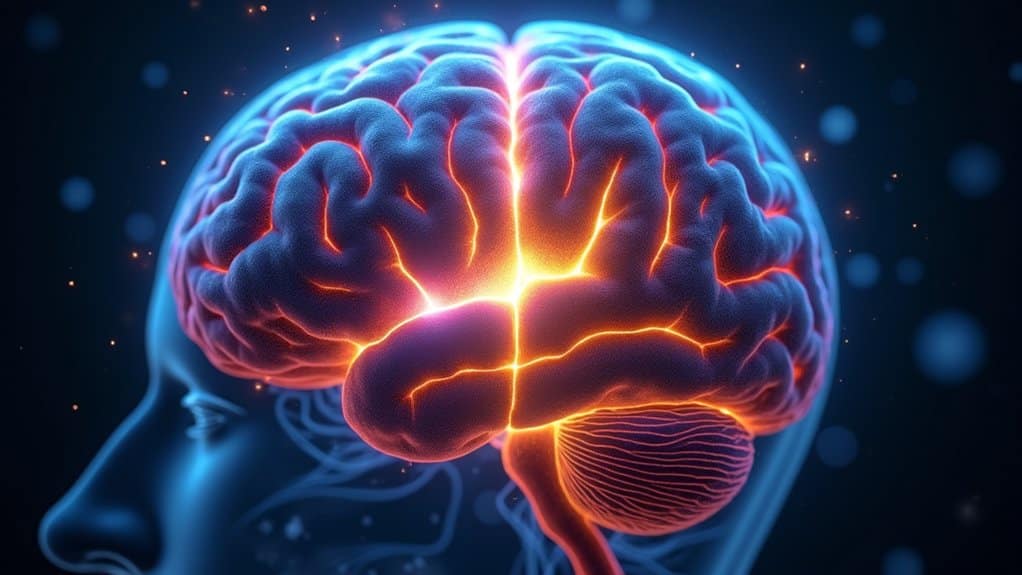
When MDMA enters your bloodstream, it crosses the blood-brain barrier within 20-60 minutes and triggers a cascade of neurotransmitter release that defines the high’s distinctive character. Molly psychoactive properties stem from massive serotonin, dopamine, and norepinephrine flooding your synapses simultaneously. You’ll peak at 1.5-3 hours, experiencing intense euphoria, empathy, and sensory enhancement.
The high lasts 3-6 hours, but consequences follow. As serotonin depletes, you’ll enter a comedown lasting 1-3 days characterized by fatigue, depression, and anxiety, often called “Tuesday Blues.” Your receptors can’t replenish neurotransmitters quickly enough.
Heavy use creates long-term cognitive impact through prolonged serotonin depletion, extending recovery to weeks. You may experience memory deficits, brain fog, and impulsivity as your neurochemistry struggles to restore baseline functioning.
Why Taking More MDMA Gets Dangerous Fast
Because MDMA follows nonlinear pharmacokinetics, doubling your dose doesn’t just double the effects, it exponentially increases toxicity. Your liver’s CYP2D6 enzymes become saturated, causing plasma concentrations to spike unpredictably. Fatal blood levels begin at just 0.04 mg/100 mL, though individual metabolism and purity create dangerous variability.
Higher doses trigger four life-threatening mechanisms simultaneously:
- Hyperthermia, Serotonin floods your hypothalamus, disabling temperature regulation and causing rhabdomyolysis
- Serotonin syndrome, Excessive 5-HT receptor activation produces seizures, muscle rigidity, and cardiac arrhythmias
- Cardiovascular collapse, Catecholamine surge drives tachycardia, hypertension, and potential arrest
- Hyponatremia, Sodium dilution from overhydration causes cerebral edema and herniation
You can’t reverse these cascades independently, they require immediate emergency intervention.
Physical Effects of MDMA
Its physical effects are like other stimulants such as cocaine or amphetamines because it causes increased heart rate and blood pressure.
Other effects include:
- Muscle cramping
- Nausea
- Involuntary jaw clenching and teeth grinding
- Blurred vision
- Chills
- Sweating
High doses of MDMA can affect the body’s ability to regulate temperature. This can create a sudden increase in body temperature called hyperthermia, resulting in liver, kidney, heart failure, or even death.

Long-Term Brain Damage From Repeated MDMA Use
Repeated MDMA exposure systematically degrades your brain’s serotonin infrastructure through three interconnected mechanisms.
MDMA doesn’t just deplete serotonin, it dismantles the very architecture your brain uses to regulate mood and cognition.
First, you’ll experience decreased serotonin transporter (SERT) density across critical regions, your hippocampus, amygdala, and neocortex lose 5-HT uptake sites, compromising nerve terminal integrity. Second, your brain compensates by upregulating serotonin-2A receptors, with density increases correlating directly to your cumulative lifetime doses. Third, chronic use elevates striatal GLX (glutamate-glutamine) levels, creating excessive excitatory activity that impairs impulse control.
These changes produce measurable cognitive deficits: verbal memory deterioration, weakened reasoning, and impaired semantic recognition persist even after you stop using. PET imaging confirms widespread 5-HT terminal loss doesn’t reverse quickly.
Your dose history matters considerably, moderate use likely won’t cause permanent damage, but high-dose patterns dramatically increase neurotoxicity risk and accelerate structural brain changes.
What Are Other Health Effects of MDMA?
Additionally, because MDMA causes feelings of closeness and encourages intimacy and trust with others, its use, especially when combined with other substances, may promote unsafe sexual behaviors. This boosts an individual’s risk of contracting or spreading a sexually transmitted disease (STD), such as HIV and hepatitis.
Increased Risk
Compounding the dangers of MDMA use is the random composition of the drug. Some of the toxins found in ecstasy can cause brain damage and pose a significant risk of overdose because the doses of MDMA can vary significantly, even in the same form and batch. The combination of MDMA and one or more hazardous chemicals can cause unpredictable and adverse health conditions.
Is MDMA Addictive?
How does MDMA’s addiction profile differ from classic stimulants like methamphetamine? The answer lies in receptor specificity. When you take MDMA, it triggers serotonin release through SERT interaction in your nucleus accumbens. This serotonin surge activates 5-HT2C receptors, which actually suppress dopamine release, the neurotransmitter driving reward reinforcement and addiction.
Methamphetamine lacks this serotonin-mediated brake, resulting in unchecked dopamine flooding and higher addiction potential. At low doses, MDMA’s serotonin pathway produces prosocial effects without activating dopamine-driven reward circuits. Mouse studies confirm this: low-dose exposure doesn’t trigger conditioned place preference.
However, high doses shift the balance. Increased dopamine release engages addictive mechanisms similar to other stimulants. The R-MDMA enantiomer shows higher SERT than DAT affinity, further reducing abuse potential compared to racemic mixtures.
How MDMA Compares to Other Stimulants and Psychedelics
Understanding MDMA’s pharmacological profile becomes clearer when you compare it against two distinct drug classes: classical psychedelics like LSD and traditional stimulants like d-amphetamine.
MDMA increases serotonin, dopamine, and norepinephrine release while inhibiting serotonin reuptake. LSD acts primarily on serotonin 5-HT2A receptors, producing profound perceptual distortions. D-amphetamine mainly heightens dopamine and norepinephrine.
Key pharmacological distinctions:
- LSD induces greater ego dissolution and altered consciousness than MDMA’s moderate “blissful state” effects
- MDMA produces higher euphoria and liking ratings compared to LSD
- D-amphetamine increases blood pressure more than both LSD and MDMA
- MDMA’s effects last three to six hours versus LSD’s eight to 12 hours
All three substances produce comparable cardiovascular responses, including raised heart rate, body temperature, and pupil dilation.
Treatment for MDMA Addiction
Treatment for ecstasy/molly misuse is available. The biggest obstacle is acknowledging if treatment is necessary and finding the appropriate recovery program.
Because ecstasy is a psychoactive drug and impacts one’s mind immensely, resulting co-existing disorders are common. The National Institute on Drug Abuse (NIDA) recommends behavioral therapies as an effective aid in treatment.
Finding a rehabilitation program that offers behavioral therapies and addresses co-occurring mental health issues is crucial to a successful recovery. Northridge Addiction Treatment Center has compassionate, experienced medical staff with comprehensive knowledge and experience.
If you or a loved one struggles with an ecstasy addiction, NATC’s residential treatment program with a co-occurring disorder program and behavioral therapies such as cognitive behavioral therapy and dialectical behavior therapy may be a perfect fit.
NATC’s private facility can provide a safe, comfortable, and supportive setting for your journey from addiction to lifelong peace. Call today to begin the path to your recovery.
Frequently Asked Questions
How Long Does MDMA Stay Detectable in Urine or Blood Tests?
You can expect MDMA to stay detectable in your urine for 1-4 days, depending on your usage pattern and metabolism. In blood, you’re looking at 1-2 days, with peak levels hitting around 2 hours post-ingestion. Your body excretes 30-34% of the dose within 24 hours. Heavy users may test positive for up to a week. HMMA, MDMA’s major metabolite, extends detection windows beyond the parent compound.
Can MDMA Interact Dangerously With Antidepressants or Other Medications?
Yes, MDMA can interact dangerously with antidepressants. If you’re taking SSRIs or SNRIs, you’ll block serotonin reuptake while MDMA floods your synapses with serotonin, risking serotonin syndrome. TCAs create similar dangers plus cardiovascular complications. MAOIs pose the highest risk, they inhibit serotonin breakdown for up to two weeks after stopping, making any MDMA use potentially life-threatening. You should never combine MDMA with these medications without understanding the serious pharmacological consequences.
Is Therapeutic Mdma-Assisted Psychotherapy Different From Recreational Use?
Yes, therapeutic MDMA-assisted psychotherapy varies markedly from recreational use. You’ll receive precisely dosed pharmaceutical-grade MDMA (125 mg initial, 62.5 mg booster) in controlled clinical settings with medical monitoring. Therapists guide your trauma processing using specific techniques like eye shades and curated music. You’ll undergo only 2-3 sessions spaced weeks apart, minimizing serotonin transporter downregulation. Recreational use involves unpredictable doses, potential adulterants, no supervision, and repeated dosing, greatly increasing neurotoxicity and adverse outcome risks.
What Should Someone Do if They Overdose on MDMA?
If you’re experiencing an MDMA overdose, call 911 immediately, don’t worry about legal consequences. While waiting, move to a cool area to prevent hyperthermia, which occurs when MDMA’s serotonin-norepinephrine surge disrupts thermoregulation. Stay hydrated but don’t overdrink, as hyponatremia can develop. Emergency responders will administer benzodiazepines to counteract excessive sympathetic activation and may use cyproheptadine to block 5-HT2A receptors if serotonin syndrome develops.
Does MDMA Affect Men and Women Differently?
Yes, MDMA affects you differently based on sex. At equal weight-adjusted doses, you’ll reach similar plasma concentrations regardless of gender, but women experience more intense psychoactive effects, stronger perceptual changes, thought disturbances, and hallucinogen-like alterations. This stems from enhanced serotonergic function in women, while men maintain larger 5-HT reserves requiring greater disturbance for response. Women also show higher heart rate increases, while men exhibit greater blood pressure elevations.